
Ordering the wrong data strip is a small mistake with an outsized cost. A shelf edge profile that's a millimetre out, a ticket depth that doesn't quite fit, a material that won't survive a busy convenience store any one of these can turn a routine reorder into a delayed rollout, a returned pallet, or an awkward call to a supplier. None of it is complicated once you know what to check. This guide walks through data strip sizes, materials and compatibility, so you can specify with confidence the first time.
What is a Data Strip?
A data strip is a plastic label holder that attaches to the front edge of mation secure, clearly visible and easy to update without replacing the shelf-edge fixture itself.a retail shelf to display price tickets, barcodes and promotional labels. It keeps pricing and product infor
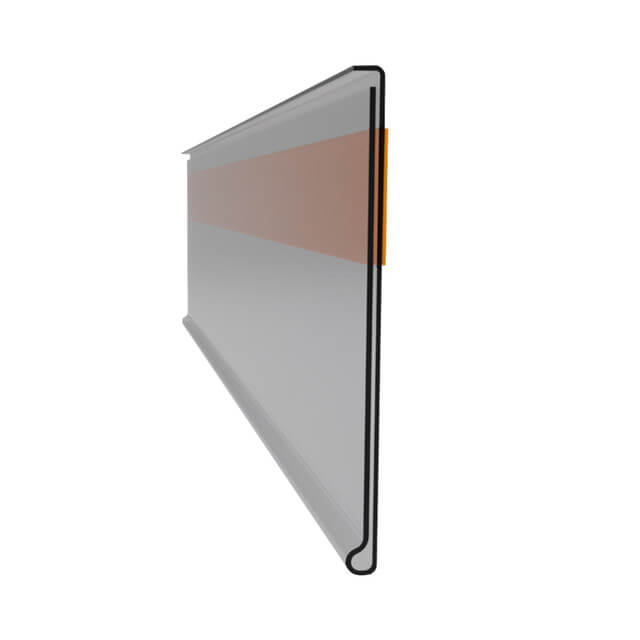
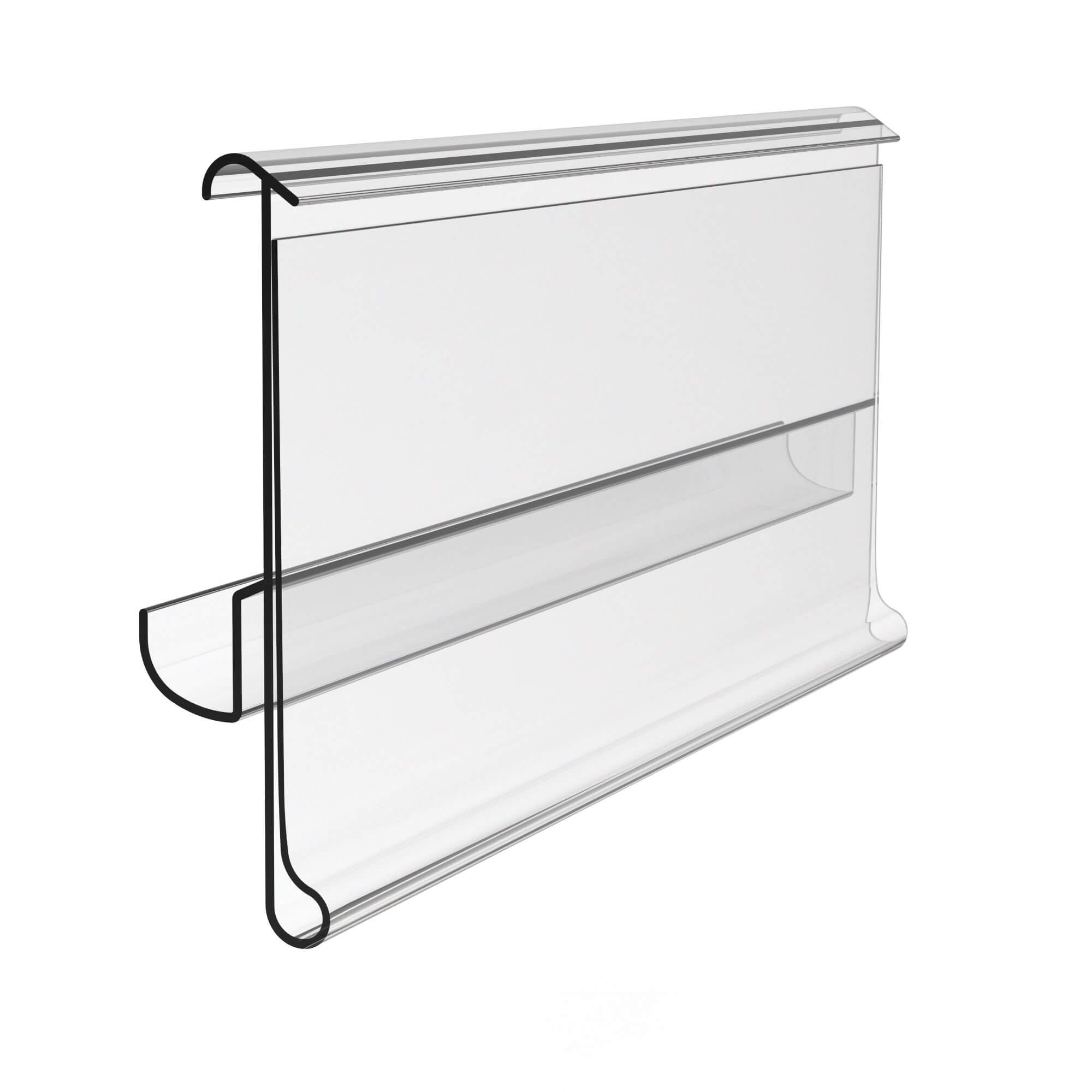
The two most common fixing methods are self-adhesive and clip-on. Self-adhesive data strips attach directly to the shelf edge, making them suitable for shelves without an existing label channel. Clip-on data strips fit onto compatible shelf-edge profiles and can be removed or repositioned as needed. We cover the differences between these options in more detail later in this guide.
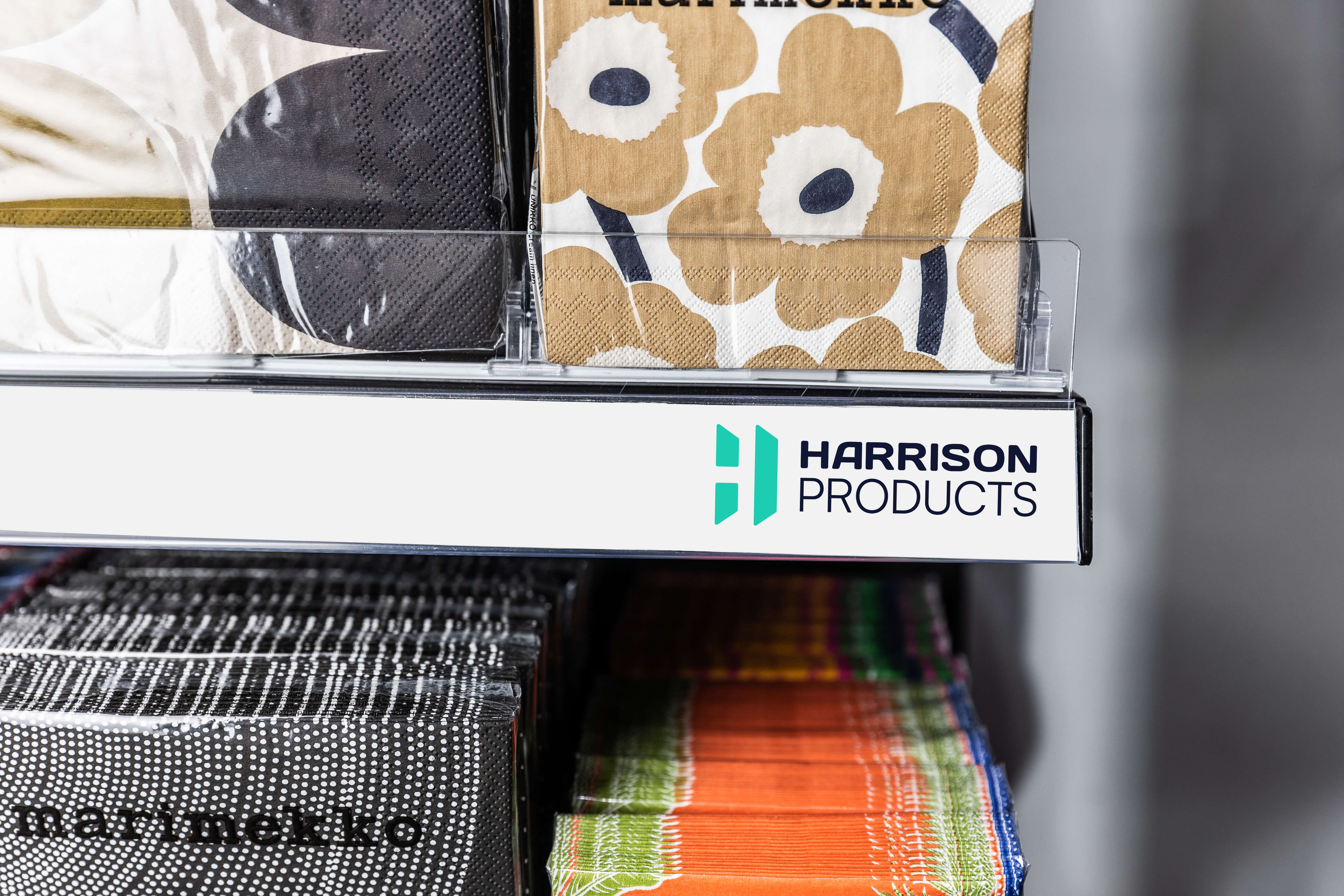
Standard Data Strip Sizes Explained
Data strip height is usually described in millimetres common sizes include 26mm, 39mm and 40mm, though the right choice depends on a few things:
- Ticket Size. Larger tickets, multi-line promotional information or barcodes need a deeper strip to sit flush and stay legible.
- Product Density. Categories with tightly packed SKUs, such as confectionery or health and beauty, often use narrower strips to preserve shelf space.
- Category Norms. Grocery, convenience and DIY retail have each settled on slightly different standard sizes over time, largely driven by shelving manufacturer defaults.
Strips are typically supplied either as continuous rolls, cut to length on site, or pre-cut to standard shelf widths. Rolls give more flexibility for irregular or older shelving; pre-cut lengths save time on larger, more standardised rollouts.
The most important habit, regardless of size: always check the strip against your actual shelf edge profile before placing a bulk order, rather than assuming a supplier's “standard” matches your shelving.
Materials: PVC, Polystyrene and Magnetic Strips Compared
Most data strips are made from PVC or polystyrene, while magnetic strips are used when a fixing-free, repositionable option is required.
PVC and Polystyrene are lightweight and cost-effective, and cover the majority of standard grocery and convenience applications. They're easy to cut to length and available in clear or coloured finishes, making them a practical default for most shelf-edge projects.
Magnetic Data Strips attach directly to metal shelving without adhesive or clips, making them straightforward to reposition, remove or reuse across resets. They're a practical option for stores that change layout frequently, or for shelving where drilling or adhesive fixing isn't ideal.
Clear strips are the standard choice for most categories, keeping focus on the ticket or label. Coloured and printed strips are used more selectively typically for promotional callouts or to support colour-coded category navigation.
Checking compatibility with your shelving system
Compatibility issues are the most common (and most avoidable) source of data strip returns. Before ordering, check the following against your actual shelving:
- Shelf edge type. Wire shelving, melamine, slatwall and gondola systems each use different edge profiles, and a strip designed for one won't always clip onto another.
- Ticket and label depth. A strip that's too shallow will let labels curl or fall out; one that's too deep can obscure part of the ticket.
- Fixing method. Confirm whether your shelving accepts clip-on strips, adhesive strips, or both, particularly if you're supplying multiple store formats or working across more than one shelving manufacturer.
For any order beyond a handful of stores, it's worth requesting a sample or a spec sheet before committing to volume. A five-minute check against a physical shelf is considerably cheaper than a reorder across a multi-store rollout.
Adhesive vs. Clip-On: Which fits your use case?
As a general rule: adhesive strips suit permanent or semi-permanent fixtures where pricing changes infrequently, while clip-on strips suit environments with frequent changeovers, seasonal resets, or rollouts across multiple shelving formats.
ESL emerging technology
As electronic shelf labelling continues to develop, Harrison Products also stocks fixing profiles for multi-tag ESL solutions designed to hold a range of ESL label formats within a single data strip profile, rather than tying the shelf to one label provider.
This kind of flexible fixing is worth considering for any retail supply business planning an ESL rollout, or migrating shelving over time rather than in one go, since it avoids recutting shelf edges each time the label format changes.
.jpg)
What shelving type does it fit?
Multi-tag ESL profiles are suitable for Tego shelving and CAEM shelving, making them a practical option for retail supply businesses managing rollouts across mixed shelving estates.
As with any ESL or data strip specification, it's worth confirming shelving type and label format together before ordering the two need to be matched for a secure, reliable fit.
Before placing an order, it helps to work through a short checklist:
- Shelf profile — confirmed against the physical shelving, not assumed from a catalogue
- Required length — roll or pre-cut, matched to shelf width
- Ticket depth — checked against the strip height being ordered
- Material durability — matched to footfall and handling frequency
- Order volume — with a sample or spec check requested for multi-store orders
Getting these five details right at the outset avoids the vast majority of data strip issues we see across retail rollouts. For related reading, see our FSDU Components Buying Guide and Maximising Efficiency: Top Shelf-Management Solutions for Retailers.

In short
Getting shelf edge data strip sizing and material right at the point of order saves time, avoids returns, and keeps rollouts on schedule particularly across multi-store projects where a small specification error gets expensive fast. If you're not sure which strip fits your shelving, it's worth checking before you order rather than after.